BUYER GUIDE · 2026-10-12 · BY DAN SUN, MARKETING DIRECTOR · REVIEWED BY YONGFENG JIAO, STRUCTURAL ENGINEER
Importing Racking from China to the Middle East: UAE & Saudi Duties, SABER Certification and Gulf-Spec Engineering
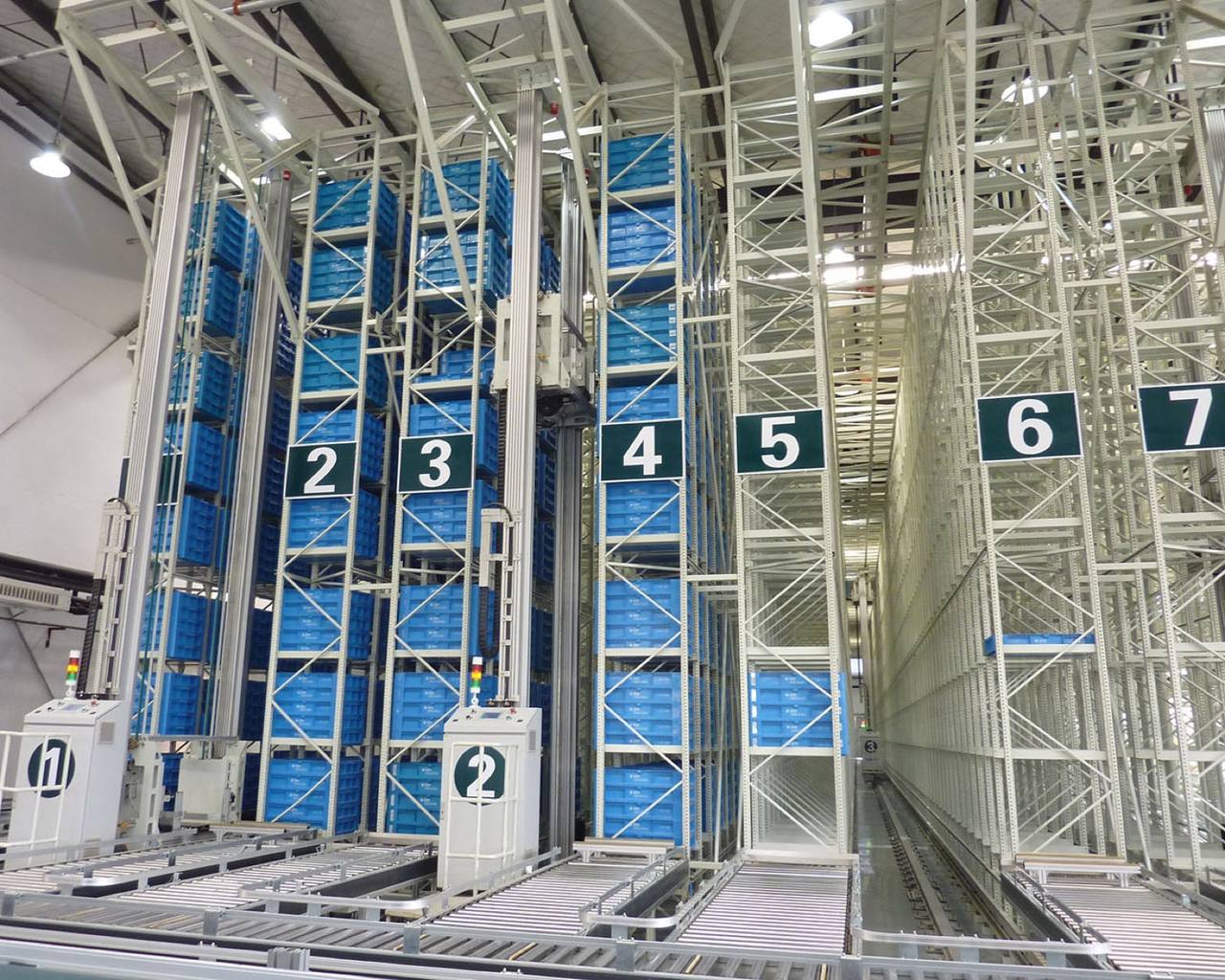
Two markets, two clearance regimes
The Gulf is one racking market in engineering terms but two very different customs regimes. The UAE is one of the world's simplest import environments: most goods, including steel racking, clear at 5% customs duty plus 5% VAT, with Jebel Ali as the region's consolidation hub and re-export gateway to the wider GCC.
Saudi Arabia runs the region's strictest pre-shipment conformity system: SABER, operated by SASO under the SALEEM product safety program. Since January 2026, applications require the new 12-digit Saudi HS codes, and import VAT linkage means certificate status and tax compliance are checked together. Nothing clears Saudi customs without the right certificates in place before arrival.
Saudi Arabia: the SABER workflow, in order
SABER is importer-driven. Your Saudi importer of record registers on the platform with their Commercial Registration, classifies each product by HS code, and contracts a SASO-approved conformity assessment body. Two certificates matter for a racking shipment:
The Product Certificate of Conformity (PCoC) is issued per product, per importer, and is valid for one year — budget roughly SAR 500–575 per product plus the assessment body's fees, and up to two weeks of processing. The Shipment Certificate of Conformity (SCoC) is issued per shipment (around SAR 400) and is what Saudi customs actually checks on arrival.
The exporter's job is the technical file: test reports matching the applicable technical regulation, product photos, specifications, ISO 9001 certificate for the factory, and invoice data that matches the certificates exactly. Mismatched part numbers or HS codes are the number-one cause of document holds. Plan three to four weeks for certification before the vessel arrives — not after.
UAE and the wider GCC
UAE imports of steel racking typically pay 5% duty and 5% VAT, with no SABER-equivalent product pre-approval for racking — but building-level approvals still apply. Racking above 12 m integrates with the fire suppression design and requires civil defense coordination; your consultant or fit-out contractor handles this, but the rack design file (calculations, load tables, materials specs) is the supplier's contribution.
Saudi customs duty on steel products generally runs 5–15% by classification, plus 15% VAT; other GCC states cluster around 5% duty. Confirm the exact HS position and rate with a local clearing agent at the destination port before fixing your landed-cost budget.
Engineering for 50 °C: what Gulf specifications demand
Standards: FEM 10.2.02 / EN 15512 are the default specification language for Gulf projects, with consultant-reviewed calculations standard practice. JISE manufactures to FEM and EN with independent test verification — see our standards library and Quality page.
Environment: ambient temperatures above 50 °C, coastal humidity and saline air punish shortcuts. Specify powder-coating quality (surface preparation, film thickness, cure) rather than just 'painted'; for coastal or semi-outdoor yards, agree the corrosion category and coating system in the contract. JISE runs a fully automatic electrostatic powder-coating line — the finish is a process output, not a spray booth promise.
Automation: if shuttles or robots are part of the system, electrical specifications follow GCC feeds (typically 380–415 V, 50 Hz) with tropicalized components — flag this to the integrator at RFQ stage.
FEM 10.2.02 explained — the Gulf specification baseline →
Shipping and installation
Racking ships flat-packed in 40HQ containers, typically FOB Shanghai. Ocean transit to Jebel Ali runs roughly 20–30 days; Dammam and Jubail for Saudi's Eastern Province, Jeddah Islamic Port for the west. Production lead time is 20–45 days after deposit depending on complexity.
JISE has delivered projects in Saudi Arabia and the UAE, installed by our own overseas crews. For automated systems — four-way shuttle high-bays and robot-compatible racking — manufacturer installation or supervision is strongly recommended: rail straightness and lane tolerances decide whether the automation runs at rated speed.
What to put in your RFQ
Five lines change the quality of every quote you receive:
- Destination country and port — the clearance regime (SABER or not) changes the document file.
- Design standard: FEM 10.2.02 / EN 15512, with independent test reports required.
- Environment: indoor ambient, cold store, or semi-outdoor; coastal exposure for coating specification.
- For Saudi: your importer of record's SABER readiness — certification lead time drives the shipping date.
- Installation scope: supplier crews, supervised local install, or frame-only supply.
Frequently asked questions
What does it cost to import racking into the UAE?
Steel racking imported into the UAE typically pays 5% customs duty plus 5% VAT on the landed value, clearing through Jebel Ali or other UAE ports. Ocean freight from Shanghai runs roughly 20–30 days. No SABER-style pre-approval applies to racking, but high-bay installations above 12 m coordinate with civil defense fire requirements.
What certificates does Saudi Arabia require for racking imports?
Saudi imports clear through SABER: a Product Certificate of Conformity (PCoC) per product per importer (valid one year) plus a Shipment Certificate of Conformity (SCoC) per shipment. Since January 2026, applications require 12-digit Saudi HS codes. The exporter supplies the technical file — test reports, photos, ISO 9001 factory certificate — and the Saudi importer of record drives the applications. Allow three to four weeks before vessel arrival.
Which design standard is used for racking in the Gulf?
FEM 10.2.02 / EN 15512 is the default specification language for GCC projects, with consultant-reviewed calculations standard. Gulf specifications additionally care about coating quality for 50 °C ambient and coastal corrosion — specify the coating system and corrosion category in the contract, not just 'powder coated'.
Get a project quotation within 48 hours.
Send us your warehouse dimensions, pallet spec and target location count — our engineers reply with a layout proposal and budgetary price.